The headline for this article is the kind that you see all the time at the beginning of the year, when everyone's thinking resolutions and turning new leaves. I get it. Who doesn't want to lighten up after a month (or two) of holiday eating? But here's the thing: I eat healthier for several weeks and then Valentine's Day rolls around and frigid temps drag on too long. It starts slowly, but by the end of February, I'm back to eating comfort food and drinking hot chocolate.
Then the weather gets nice in April and, d'oh... time to revisit those resolutions.
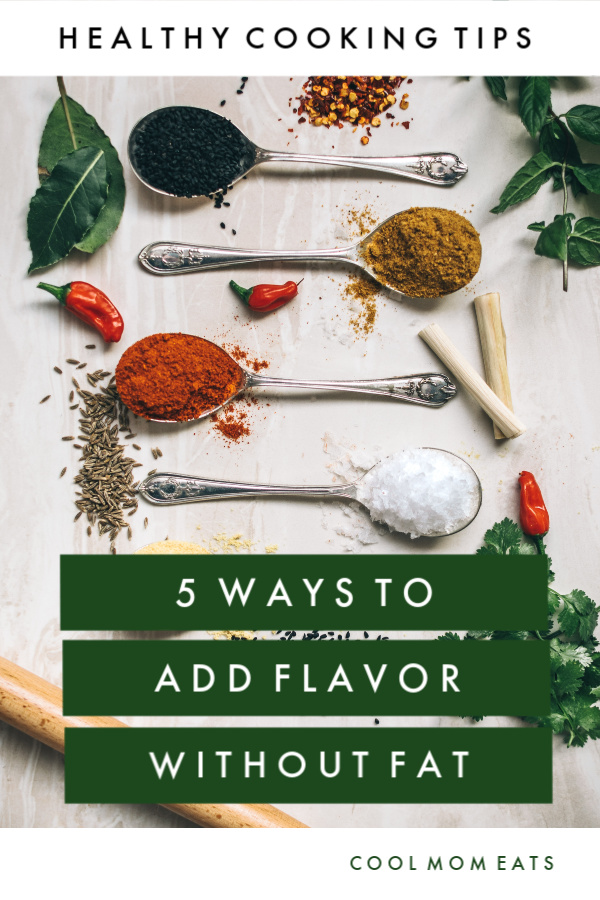
It's easy to go radical in January when everyone's in it together, but at this point in the year, I want easy changes to start easing my way into healthier eating. After all, I have a couple months of jeans and t-shirt weather before it's time to suit up in a bikini (and, yes, I still wear them proudly, because it's all about the tan). Using these 5 simple, healthy cooking tips are my favorite ways to add big flavor without fat and they just might become yours, too.
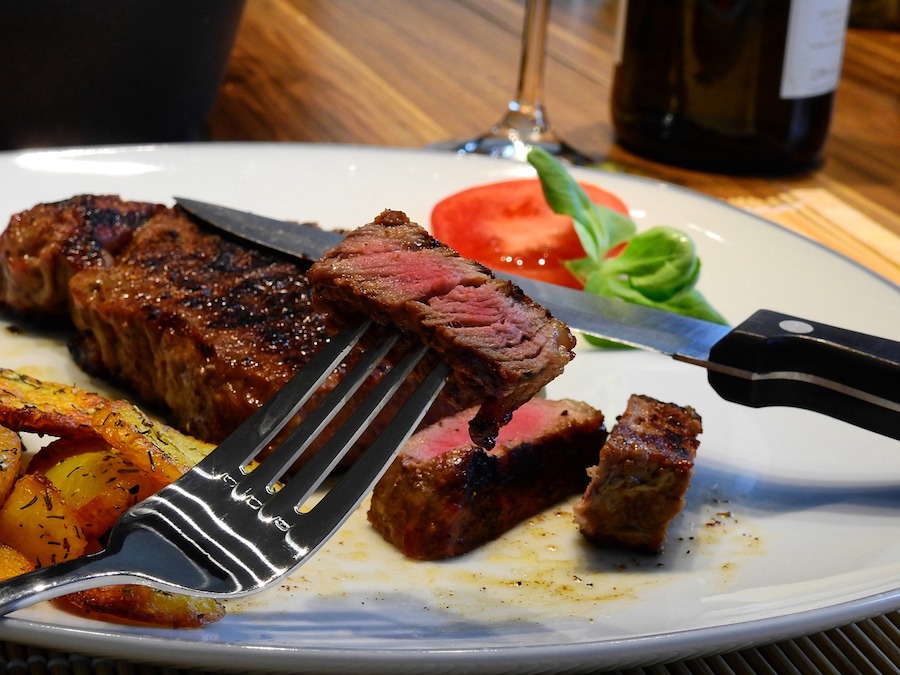 I've heard from many busy home cooks that marinating takes too long for a lot of family cooks, so the key here is to begin soaking your meat the night before or first thing in the morning. Then, when it's time to cook dinner, all you have to account for is cooking time.
Making marinades is simple: Combine an acid, a little bit of oil, and flavoring from anything from mashed garlic to spices, hot sauce to miso paste. Whisk the ingredients together to create your favorite flavor combination (keeping in mind that the straight marinade will have a much more intense flavor than your cooked meat) and submerge whatever you're marinating until you're ready to cook.
One of my favorite examples of how easy a marinade can be is this recipe for Grilled Citrus Chicken Breasts that I found at Bon Appetit. The marinade is olive oil, orange juice, lemon juice, garlic, and rosemary. How easy is that?
For a 10-minute steak marinade, try this one from The Recipe Critic. It does require mincing a little garlic and chopping a little parsley, but oof...so delicious.
Related: 5 easy, healthy food substitutions to keep it light and tasty, too.
1. Get zesty with citrus
Citrus zest is one of my favorite ingredients. I add it to everything, even sugar to make a delicious dip for out-of-season fruit. The oil in the rind of citrus fruit is a concentrated essence of their flavor that perks up everything from salad dressings to cooked veggies, rubs for roasted meats to pasta or rice. Use just a little to brighten up flavors or more if you want a a distinct hint of lemon, lime, orange, or grapefruit to come through in your dish. Check out my video tutorial on how to zest so that it doesn't get bitter; you don't want that. And if you're curious about making your own citrus sugar for dipping your fruit, check out the recipe and my favorite citrus-fruit combinations.2. Spice it up
Golden Milk | LittleSugarSnaps
Get to know your spice rack and move beyond salt, pepper, and oregano. Dried spices are easy to use and low maintenance -- ground spices keep in a dark, cool place for about 6 months before losing potency and whole spices for more like a year. Have you ever used ground coriander? Mix some with mashed garlic, ground cumin, salt, and pepper to make a rub for pork loin. How about turmeric? It works well with fresh ginger and lends a warm, peppery flavor and the gorgeous yellow hue often seen in Moroccan, Indian, and South East Asian cooking. It's even great in the chai-like Golden Milk recipe that we found at LittleSugarSnaps, which I'm obsessed with. Go to your favorite food sites (ahem!), type in a spice you've never used before, and get cooking.3. Feel the lovin' from the oven
Halibut en Papillote at Tea with Me
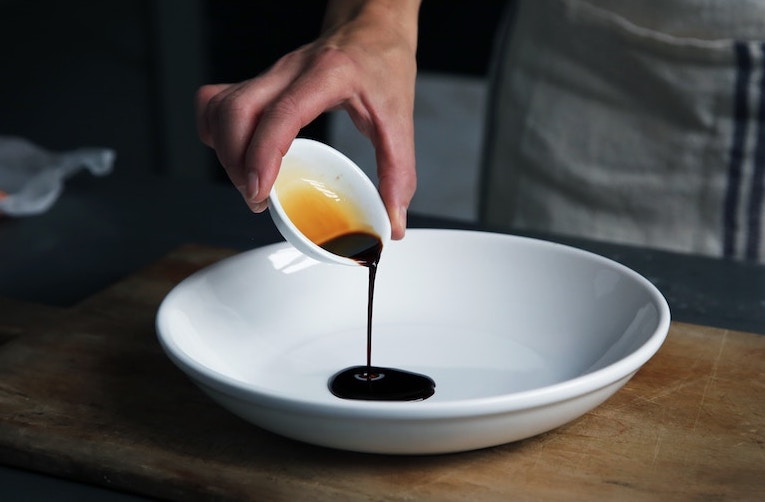
Another great chick: Use your oven to prepare food simply and keep the flavor with minimal added fat. I love cooking fish en papillote (wrapped in a pouch of parchment paper like in this recipe for Halibut en Papillote that we found at Tea With Me) or roasting veggies the way I do in this quick tutorial on how to roast veggies without a recipe. Food cooked in papillote steams, getting a hint of flavor from the cooking liquid, which can be anything from wine to broth to citrus juice. Roasting concentrates a food's natural flavors with little more than a drizzle of olive oil, spices, and zest. Both yield delicious results with hardly any fat. Genius.4. Go ahead, be sour
Related: Here's how to tell if your vinegar is fresh.
5. Marinate it. (Marinate it real good.)
I've heard from many busy home cooks that marinating takes too long for a lot of family cooks, so the key here is to begin soaking your meat the night before or first thing in the morning. Then, when it's time to cook dinner, all you have to account for is cooking time.
Making marinades is simple: Combine an acid, a little bit of oil, and flavoring from anything from mashed garlic to spices, hot sauce to miso paste. Whisk the ingredients together to create your favorite flavor combination (keeping in mind that the straight marinade will have a much more intense flavor than your cooked meat) and submerge whatever you're marinating until you're ready to cook.
One of my favorite examples of how easy a marinade can be is this recipe for Grilled Citrus Chicken Breasts that I found at Bon Appetit. The marinade is olive oil, orange juice, lemon juice, garlic, and rosemary. How easy is that?
For a 10-minute steak marinade, try this one from The Recipe Critic. It does require mincing a little garlic and chopping a little parsley, but oof...so delicious.

