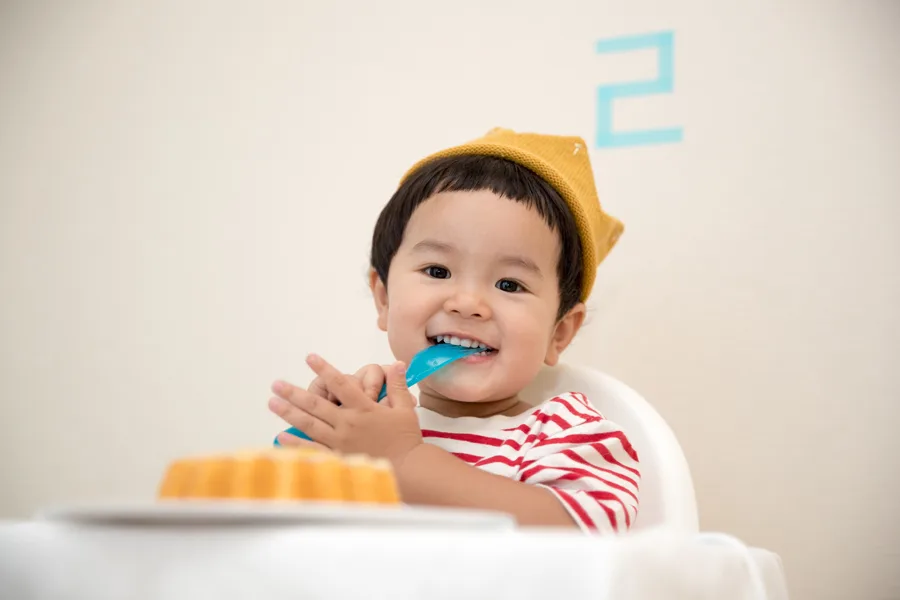
Nothing is more frustrating than mustering the energy to cook dinner only to have your kid refuse to eat. I can't think of a single parent who wouldn't agree that yelling, tearing out your hair, giving up cooking, drinking heavily, or some combination of the above are totally understandable reactions. But I have a few that I hope are more productive -- for you and your kids.
If you find that your toddler or even your big kid is not eating what you serve on a regular basis, here are 10 things to try that aren't fighting. These may help boost their appetites or at least their willingness to give dinner a try. And if they don't, well, then go back to yelling.
Just kidding. No, seriously.
Related: 5 easy ways to get kids to eat more veggies -- no begging, bribing, or fighting.
1. Adjust snack time. In all of the stress that feeding kids can cause, we often forget that they have an appetite and, just like us, don't want to eat when they aren't hungry. If your child consistently refuses dinner, you may want to start by reexamining snacks and snack times. They just might be full -- you know, on the good stuff.
2. Reconsider when you serve veggies or other challenging foods. We grown ups tend to think of dinner as our main meal, but it may also be the meal for which your child is most tired. And when kids are tired, they are less open to foods they don't love. If your child lunches after a nap and is usually more well-rested for that meal than she is for dinner, considering making lunch the time when you go heavy on the veggies and/or more challenging foods.
3. Serve only water between meals. A tall glass of milk may not fill us up, but it can certainly fill a little one's belly and curb his appetite more than you may think.
4. Reduce your child's portion. If your child is either not that hungry or not hungry for what you've put on her plate, seeing big portions may cause her to feel overwhelmed and anxious, which will, without a doubt, turn into obstinance. Though counter-intuitive, smaller portions that she perceives as manageable are more likely to be met with a willingness to try.
5. Try a Taste Plate. I shared what a Taste Plate is and how it works last week. If you have a picky eater, you should seriously give this a try. It's a smart strategy.
Related: What happened when I stopped worrying about feeding my picky eater.
6. Play with what time you serve dinner. If you're serving dinner too early -- before your child is hungry -- or too late -- when he's tipped to overtired -- you're less likely to have success at the dinner table. Play with dinner time in the same way that you play with nap times, and remember that you may need to adjust as they change, grow, and settle into new routines. 7. Try a positive incentive. Dessert is the obvious incentive here -- and I believe that it can be effective without detriment in the right home with the right kids with the right eating habits -- but sweets are certainly not the only positive incentive or reinforcement that you can put in place for a better dinner time. If you're working with your child to get them to eat more, certain healthy foods, or just without whining, consider a sticker chart, marble jar, screen time earn, or any other positive behavioral incentives that work in your house. 8. Let your child help plan one (or two?) meals a week. A lot of mealtime challenges stem from power struggles. And where better for your child to attempt to regain some control than at the dinner table? After all, there's nothing more personal than putting food in your body and we control the whole scene. Sometimes, pulling kids into meal planning and allowing them to have a say can help ease the sense that they have no choice in the matter. If you have little ones or extreme picky eaters who won't make reasonable choices on their own, consider letting go and, yes, eating waffles for dinner once a week -- so long as the rest of their week is relatively healthy, who cares. Or give them a few options to choose from. If you do this, though, make sure that the choices are truly appealing to them, with only slight changes from you to make them an acceptable family meal. 9. Include one healthy food that your child loves on her plate -- every night. If there is some healthy food that your child is willing to eat and you're worried about them not eating dinner, include that food -- every night if you have to. Watch it go down and feel better. You might even find that, over time, other items on the plate start to go down too. This approach is much more effective than serving your dinner hoping that your child will eat it, but then giving in to her go-to healthy food before bedtime when she's whining about how hungry she is. 10. Let it go — and start serving bigger, healthier breakfasts. I can't say enough times that our goal in feeding our children shouldn't be about getting them to like and accept particular healthy foods, but rather to help them develop a healthy relationship with food. The fastest way to undermine that effort? Fight with your kids about food night after night. If you feel you've tried everything, give it a break -- at least for a little bit -- and let things happen. They'll change: I promise. And you can always serve a bigger, healthier breakfast in the morning to get those nutrients in. Healthy 2-Ingredient Sweet Potato Pancakes for the win! Top image: kazuend via Unsplash

