The new, six-part food documentary series on Netflix, Rotten, focuses on the least appetizing part of the food industry: corruption and the inhumane treatment of animals. But as a mom to a teenage daughter with a severe peanut allergy, its episode titled The Peanut Problem is the one that left me feeling the most rotten.
My family and I are well-versed in food allergy-related issues, but we're open to learning more, especially about new scientific breakthroughs. That's why I started Rotten with The Peanut Problem and watched the episode with my daughter. But in the end, I was pretty surprised by the experience, especially given the high praise the series has been getting.
Related: A new study on bullying and food allergies that ALL parents need to talk about.
Let me start by saying that any education on food allergies is a good education, especially for those who don't have a family member with allergies (and maybe resent having to comply with the ever increasing allergy-safe rules being enforced at schools and other public spaces). The more we educate others about the life threatening risk that food allergies present to people like my daughter, the safer our food industry will become. Plus, understanding leads to empathy, and we can always use more of that.
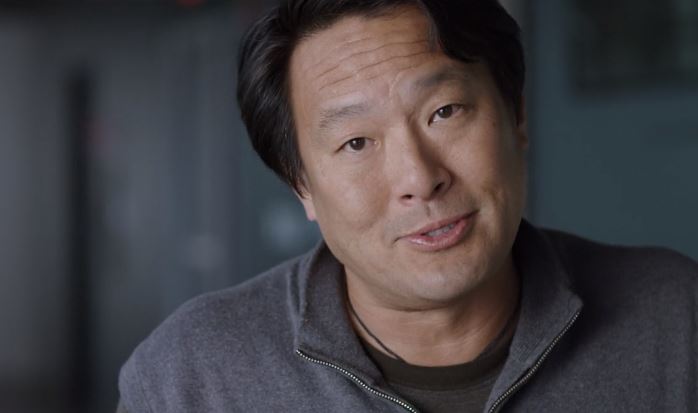 Beyond general awareness, The Peanut Problem shines a light on the accountability of restaurateurs, which is not something often talked about outside of industry circles. This is where the episode really shines. Chef Ming Tsai, the real hero of the episode, explains that it isn't difficult for restaurants to implement food allergy standards to keep all customers safe.
More importantly, he explains that it's becoming a necessity for chefs to evolve given the prevalence of food allergies. His restaurant Blue Dragon in Boston is peanut/nut free and accommodating to those with the other prevalent food allergies, which is major. (I can tell you from personal experience that Asian food is usually off-limits for people with peanut and nut allergies.)
Disappointingly, though, the episode doesn't offer the explanation of the surge of food allergies over the past two decades that I was hoping for, rather just bleak statistics and scary stories of food allergy deaths. In all fairness to the producers and featured experts, its seems that the medical field doesn't really know why 1 in 13 children have food allergies today.
Still, I think there are enough good moments to make The Peanut Problem recommended viewing, if (and that's a big IF) you go into it knowing that there is a high level of "fear factor." I watched it with my teen and we spent a lot of time discussing what the documentary was trying to do and how. It was a great discussion and reminder that living with food allergies means being vigilant and a strong self-advocate.
I imagine if you watch as someone who doesn't have food allergies or doesn't parent someone who has food allergies, the episode will shed light on what it's like to grapple with them, and why your compassion and compliance with allergy safe rules is so important -- and appreciated.
Beyond general awareness, The Peanut Problem shines a light on the accountability of restaurateurs, which is not something often talked about outside of industry circles. This is where the episode really shines. Chef Ming Tsai, the real hero of the episode, explains that it isn't difficult for restaurants to implement food allergy standards to keep all customers safe.
More importantly, he explains that it's becoming a necessity for chefs to evolve given the prevalence of food allergies. His restaurant Blue Dragon in Boston is peanut/nut free and accommodating to those with the other prevalent food allergies, which is major. (I can tell you from personal experience that Asian food is usually off-limits for people with peanut and nut allergies.)
Disappointingly, though, the episode doesn't offer the explanation of the surge of food allergies over the past two decades that I was hoping for, rather just bleak statistics and scary stories of food allergy deaths. In all fairness to the producers and featured experts, its seems that the medical field doesn't really know why 1 in 13 children have food allergies today.
Still, I think there are enough good moments to make The Peanut Problem recommended viewing, if (and that's a big IF) you go into it knowing that there is a high level of "fear factor." I watched it with my teen and we spent a lot of time discussing what the documentary was trying to do and how. It was a great discussion and reminder that living with food allergies means being vigilant and a strong self-advocate.
I imagine if you watch as someone who doesn't have food allergies or doesn't parent someone who has food allergies, the episode will shed light on what it's like to grapple with them, and why your compassion and compliance with allergy safe rules is so important -- and appreciated.

