I can't be the only one wondering, what's with all these best buy / use by dates on my food? What's the difference? Are these dates really legit or just suggestions? I mean, these days, we're all so focused on food waste and making sure we're eating everything we possibly can in our homes.
I know I"m reaching into the back of my cupboards these days, trying to wrangle some "creative" dinners for my family with what I have, in part to significantly limit my trips to the grocery.
So, I did a little research, from the USDA website to other trusted food and consumer safety sites.
I was surprise to learn that the only food product that is legally required to have food product dating is infant formula. Every other date stamped on your food packaging is done voluntarily and, therefore, isn't regulated. However there are some food industry group guidelines to mandate and standardize labeling in part to eliminate the inordinate amount of food waste in America, and some states do have their own mandates.
But, it's all over the place!
That's why it's so confusing to know whether a "best by" product is okay to eat three days after the date stamped or not -- each company can choose what they want their product to say, and then, each state may or may not enforce it.
So, my bottom line is this: let that date on your product be a guide, but always let common sense reign. Your eyes and nose are the best judge over any date stamp.
In other words, if your meat is rancid or your strawberries are moldy, it doesn't matter what the date on the package says.
States regulating date labeling: It's all over the place!
Want to know in part why this is so confusing?
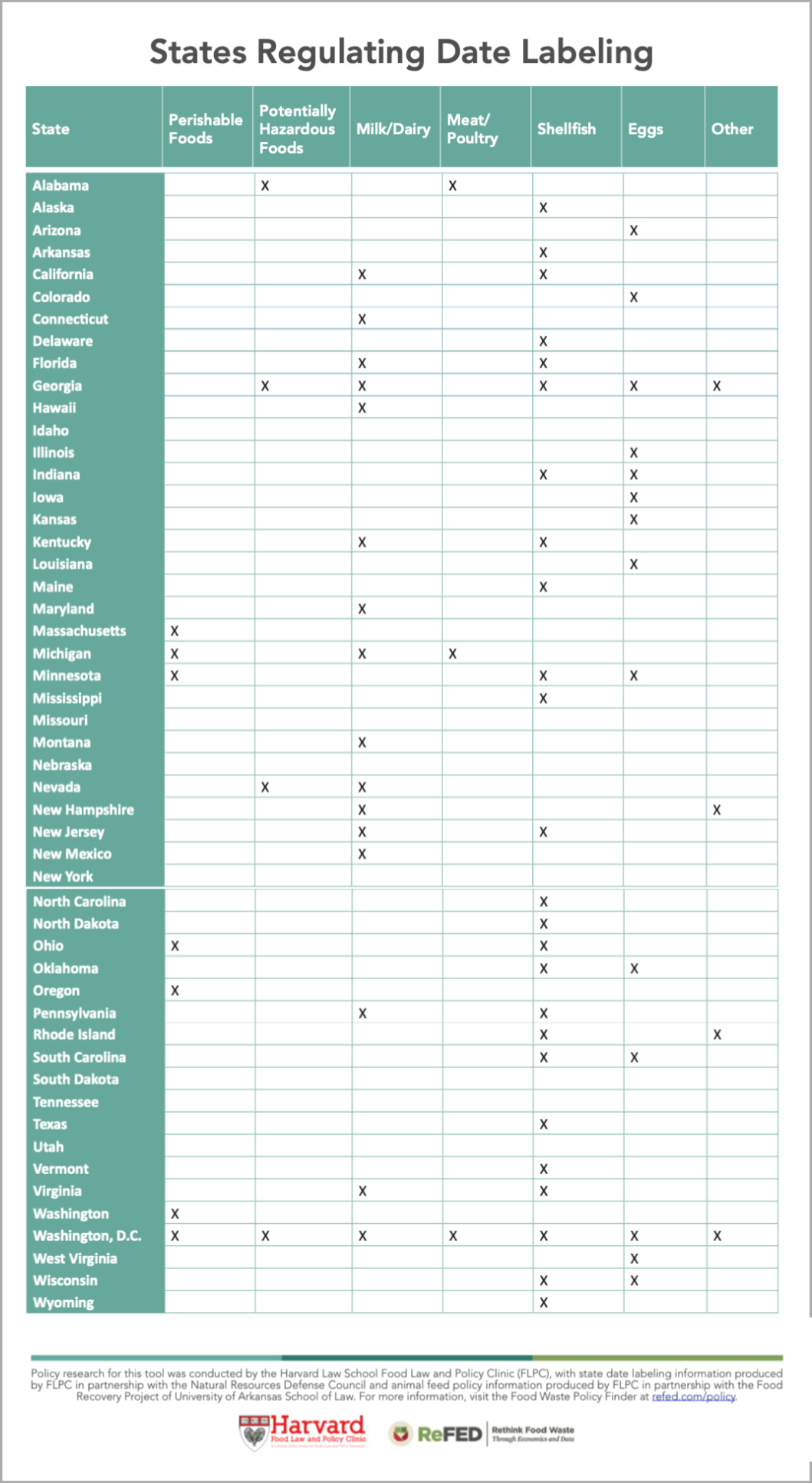
Check out the excellent charts from Harvard Law Schools Food Law & Policy Clinic in partnership with other groups and published by ReFED (Rethink Food Waste) on state by state regulation of date labeling and more food safety processes and behaviors. It will help you at least be better informed as to whether the dates on your food are legally mandated or voluntary where you live, and help you make better decisions.
It also helps understand why this is so hard to understand! Only three states plus DC regulate "potentially hazardous foods." 7 states have no standardized regulations at all -- including New York. Yikes!
However we are happy to see that there's some strong, data-backed advocacy out there to change date stamps to two single stamps: "BEST if used by" to indicate product quality, and "USE by" to indicate product safety. Those two designations are cllearer to consumers (i.e. us), and will help us cut back on food waste and safe a lot of money throwing out those otherwise perfectly safe food items.
Click over to the entire PDF for even more specific information.
What does the "best by" date mean on packaged food?
A "best by" date is simply a quality label, not a safety label.
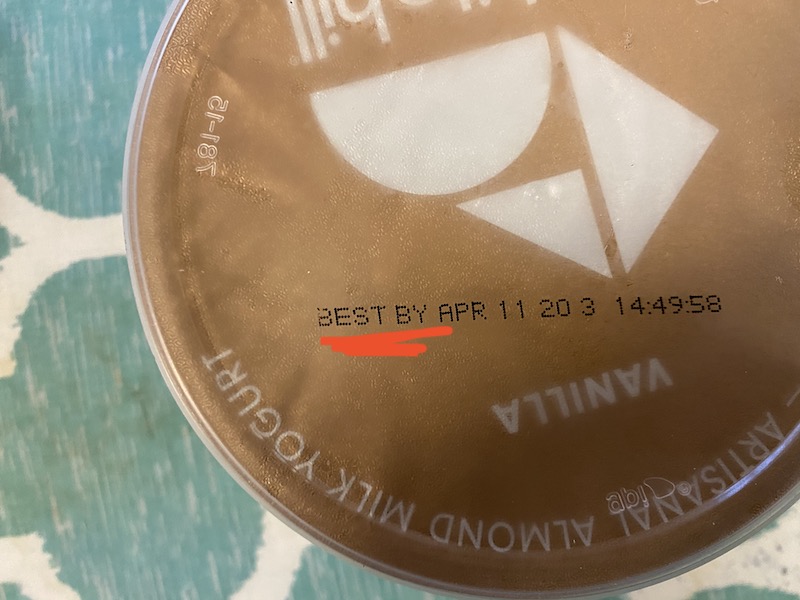
It's mainly used on pantry foods that can change in texture or flavor over time, although my yogurt tub has a "best by" date stamp. It means the product will taste best if you use it by the indicated date, but you are generally safe to eat it even after the date has passed.
In other words, your Halloween Oreos might be a bit stale by April, but they aren't likely to make you sick. Same goes for yogurt, to be honest.
Instead of eating or tossing a pantry staple straight after the "best by" date, get creative if quality may have changed: Crumble those older Oreos up as an ice cream topping or add them to frosting on your cake. If you have chips that have gone slightly stale, just spread them on a cookie sheet and toast them in the oven on 375º for about 3 minutes.
But above all, use your common sense (along with all your senses). Just go ahead and smell that yogurt --if it smells sour or you're seeing mold you've probably kept it too long.
What does the "use by" date mean on packaged food?
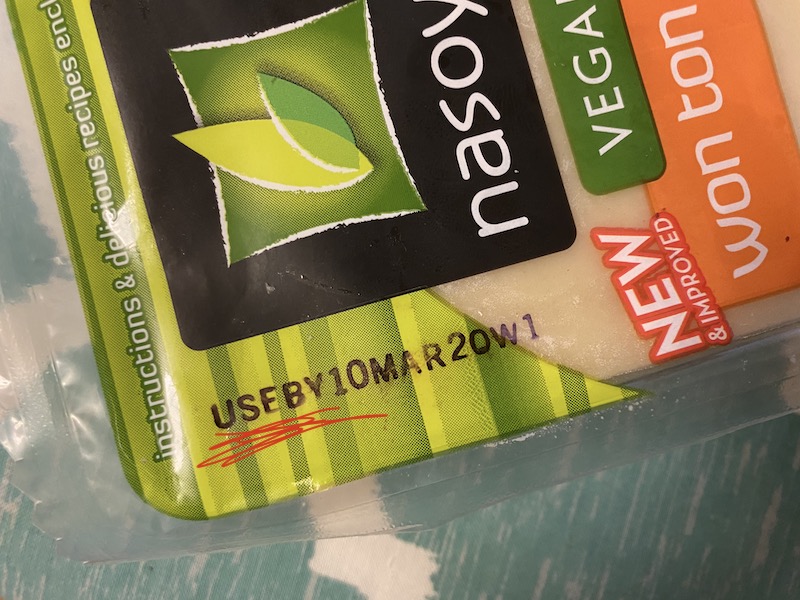
Surprisingly, the "use by" designation is basically the same as the "best by" designation—it's simply the date that the product will begin to lose peak flavor.
To be clear, "use by" is not a safety date.
If you're buying fresh or refrigerated food with a "use by" date, be aware that the the producer of that food item has determined that it will taste best by that date based on any number of factors specific to that particular food.
If you've stored it properly, the USDA says that it should be safe to eat after that date (with the exception of infant formula). But again, if it looks like it's spoiled, you're better safe than sorry. Avoid foods that have mold on them, smell off, or have an unusual color or texture to them.
What does the "sell by" date mean on packaged food?
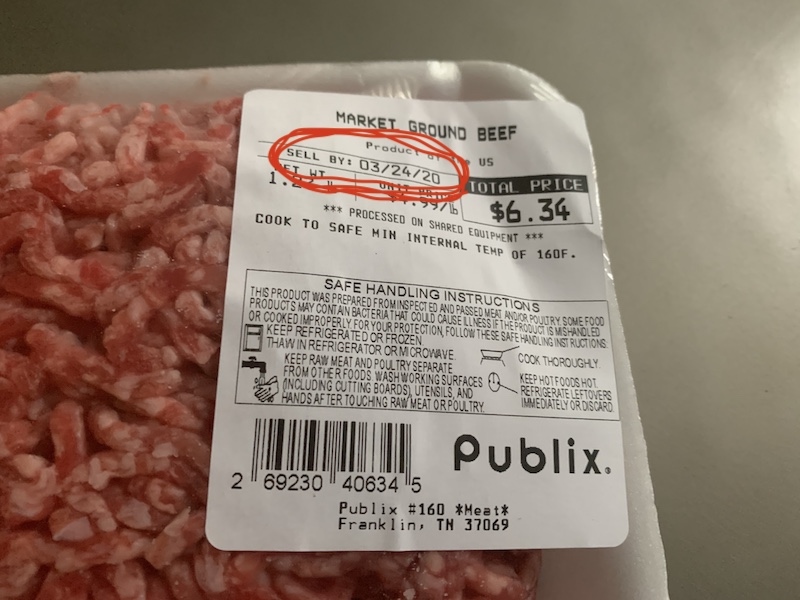
The "sell by" designation lets stores know when to rotate that product off their shelves. The manufacturer might choose that date for quality, but it might also choose it for marketing or some other arbitrary reason. Typically, it's fine to eat the product after the "sell by" date.
The important exception here is with fresh meat. The butcher will package meat with the "sell by" date that it needs to leave their cooler. A good rule of thumb is to freeze any meat that's gone more than 2 days past the "sell by" date on the package.
A note about canned foods
There are dates printed in code on the bottom of your canned goods, but USDA specifies that these dates indicate the day an item was canned - and primarily used in case of a food recall.
If that weren't confusing enough, some canned goods also include a clearly marked "best by" date. That date does indicate a food item's best flavor and texture, though again, it is safe to eat it past that time as long as you don't see evidence of spoilage.
If you want a backup plan to check on potential food spoilage: Know that high-acid canned food (like tomatoes) are good for 12 to 18 months after canning, while low-acid foods like vegetables or canned meat can be eaten up to 5 years after the canning date.
However when a can is dented, rusted, or swollen (or of course if the food item smells off or looks spoiled) just toss it.
What about eggs? How long are eggs good?
You should know that most eggs arrive to the grocery just a few days after the hen lays them; the process is very fast.
Here's a tip for getting more info about the carton in your fridge right now: eggs with a USDA shield on them will have a three-digit code called a Julian date, which is printed on the package. The number ranges from 001 to 365. and it coordinates with the day of the year the eggs were packaged.
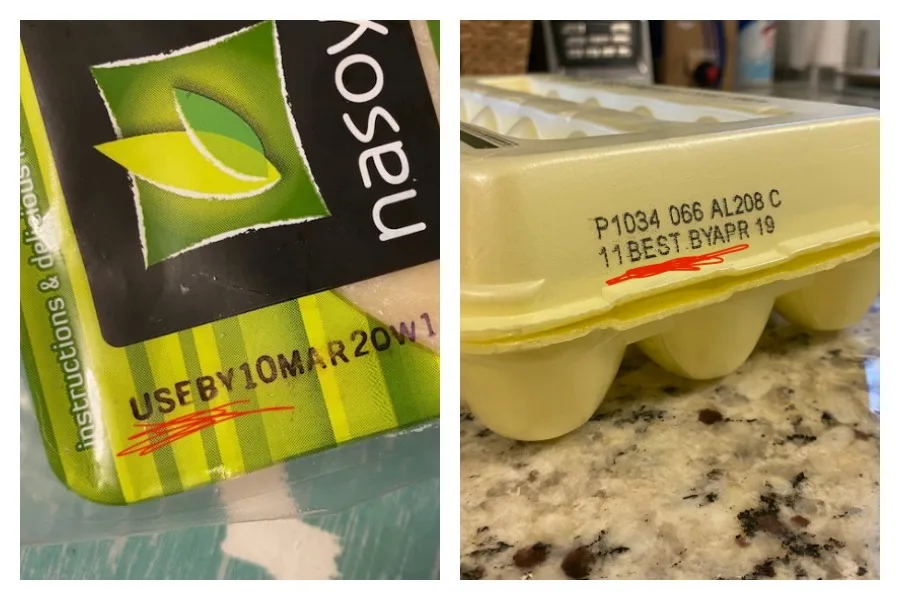
Don't worry, it's not a tough code to crack! My eggs (above) were packaged on day 066 -- the 66th day of the year -- which correlates with March 6, since this is a leap year.
The "sell by" date on eggs, according to the USDA, must be within 30 days packing. The United Egg Producers website states that eggs are safe to eat up to 3 weeks past this "best by/sell by" date, or up to 5 weeks past the Julian date, provided they're properly stored in the fridge or freezer.
(Yes, you can safely freeze eggs for up to 12 months according to Still Tasty.)
Personally, I'm more comfortable sticking with that Julian date. I noticed that my eggs were packaged on March 6 with a "best by" date six weeks later: April 19. If I go by the "3 weeks past the best by date" rule, I'd be waiting 9 full weeks to eat them from the time they were packaged. Now, in my house there's no chance a carton of eggs would last that long, but it's good to keep in mind.
Or, skip the dates and use this tried-and-true, easy way to test for the freshness of your egg: See if it sinks or float in a cup of water. If the egg sinks, it's still fresh. If it floats; it's not. This is because there's a tiny pocket of air inside the shell of a new egg, and it grows (and the egg becomes more bouyant) as the egg ages.
Bottom line: use common sense!
We know right now is crazy and you're probably eating a few things you might have tossed before.
The USDA is clear in stating that, with the exception of infant formula, "food products are safe to consume past the date on the label." But, on the other hand, it's definitely possible for food to spoil before the date on the label too, if it's been stored improperly by a grocery or by you.
Storing items properly is really important to helping your food stay fresh—if it was refrigerated at the store, refrigerate it at home. If it says to refrigerate after opening, then do that. Store root veggies in a cool, dark place. And keep your cans in a dark pantry. All of these tips will go a long way to help you avoid food waste.
It really all comes down to using common sense: if there is something growing on your food, if it smells weird, or if the color is wrong, don't eat it. Better safe than sorry. If you're just nervous, particularly with pantry staples. at least donate to a local food bank instead of tossing your food -- they will have the best information on whether the foods is still useable for people in need.
 Check out the excellent charts from Harvard Law Schools Food Law & Policy Clinic in partnership with other groups and published by ReFED (Rethink Food Waste) on state by state regulation of date labeling and more food safety processes and behaviors. It will help you at least be better informed as to whether the dates on your food are legally mandated or voluntary where you live, and help you make better decisions.
It also helps understand why this is so hard to understand! Only three states plus DC regulate "potentially hazardous foods." 7 states have no standardized regulations at all -- including New York. Yikes!
However we are happy to see that there's some strong, data-backed advocacy out there to change date stamps to two single stamps: "BEST if used by" to indicate product quality, and "USE by" to indicate product safety. Those two designations are cllearer to consumers (i.e. us), and will help us cut back on food waste and safe a lot of money throwing out those otherwise perfectly safe food items.
Click over to the entire PDF for even more specific information.
 Surprisingly, the "use by" designation is basically the same as the "best by" designation—it's simply the date that the product will begin to lose peak flavor.
To be clear, "use by" is not a safety date.
If you're buying fresh or refrigerated food with a "use by" date, be aware that the the producer of that food item has determined that it will taste best by that date based on any number of factors specific to that particular food.
If you've stored it properly, the USDA says that it should be safe to eat after that date (with the exception of infant formula). But again, if it looks like it's spoiled, you're better safe than sorry. Avoid foods that have mold on them, smell off, or have an unusual color or texture to them.
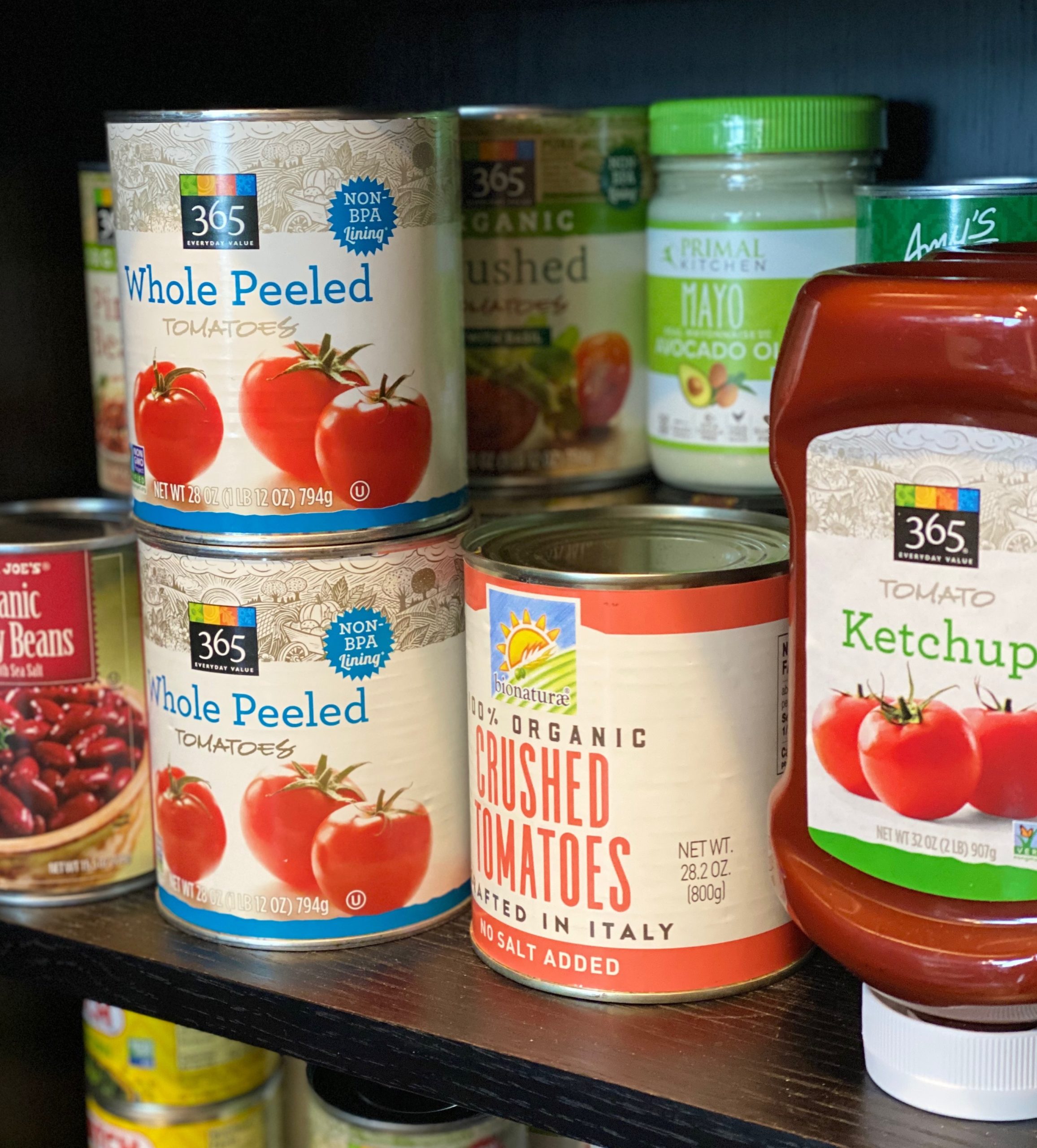 There are dates printed in code on the bottom of your canned goods, but USDA specifies that these dates indicate the day an item was canned - and primarily used in case of a food recall.
If that weren't confusing enough, some canned goods also include a clearly marked "best by" date. That date does indicate a food item's best flavor and texture, though again, it is safe to eat it past that time as long as you don't see evidence of spoilage.
If you want a backup plan to check on potential food spoilage: Know that high-acid canned food (like tomatoes) are good for 12 to 18 months after canning, while low-acid foods like vegetables or canned meat can be eaten up to 5 years after the canning date.
However when a can is dented, rusted, or swollen (or of course if the food item smells off or looks spoiled) just toss it.
 You should know that most eggs arrive to the grocery just a few days after the hen lays them; the process is very fast.
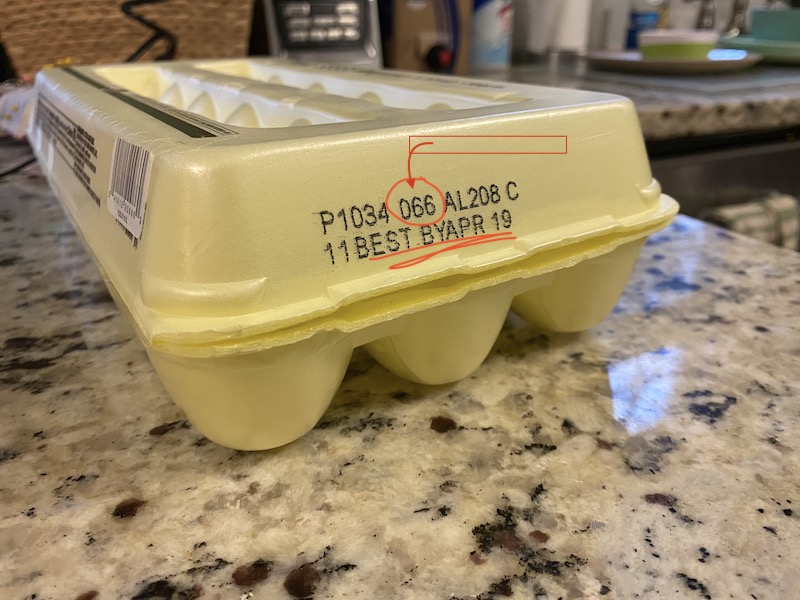
Here's a tip for getting more info about the carton in your fridge right now: eggs with a USDA shield on them will have a three-digit code called a Julian date, which is printed on the package. The number ranges from 001 to 365. and it coordinates with the day of the year the eggs were packaged.
Don't worry, it's not a tough code to crack! My eggs (above) were packaged on day 066 -- the 66th day of the year -- which correlates with March 6, since this is a leap year.
The "sell by" date on eggs, according to the USDA, must be within 30 days packing. The United Egg Producers website states that eggs are safe to eat up to 3 weeks past this "best by/sell by" date, or up to 5 weeks past the Julian date, provided they're properly stored in the fridge or freezer.
(Yes, you can safely freeze eggs for up to 12 months according to Still Tasty.)
Personally, I'm more comfortable sticking with that Julian date. I noticed that my eggs were packaged on March 6 with a "best by" date six weeks later: April 19. If I go by the "3 weeks past the best by date" rule, I'd be waiting 9 full weeks to eat them from the time they were packaged. Now, in my house there's no chance a carton of eggs would last that long, but it's good to keep in mind.
Or, skip the dates and use this tried-and-true, easy way to test for the freshness of your egg: See if it sinks or float in a cup of water. If the egg sinks, it's still fresh. If it floats; it's not. This is because there's a tiny pocket of air inside the shell of a new egg, and it grows (and the egg becomes more bouyant) as the egg ages.


