Nothing gets me emotional quite like the Folger's coffee holiday commercial, with the sentimental mother-son reunion at 5:30 AM over a cup of coffee. (I'm not joking, I cry every time.) But that's not quite most people's reality when we travel to visit family -- especially if like me, you have a child with autism or other special needs. Any break from their routine can be really, really...really tough.
That doesn't mean we're not looking forward to our visits though. In fact, we treasure them so much.
So I really wanted to write a helpful post for those of you have relatives with special needs visiting this holiday season to help make it as smooth and joyous for everyone as, well, maybe as a holiday commercial. (Okay, not quite. But still.)
Of course, step one is always going to be to talk to the parent. And no texting, please! This is worth a real conversation. Let them know that you understand their child has different needs and you want to make their trip as successful and restful as possible.
For me, knowing that someone cares enough to make an effort to be accommodating, makes all the difference in the world.
Photo by S&B Vonlanthen via Unsplash
CMP is an rstyle affiliate
Photo: Kate Etue
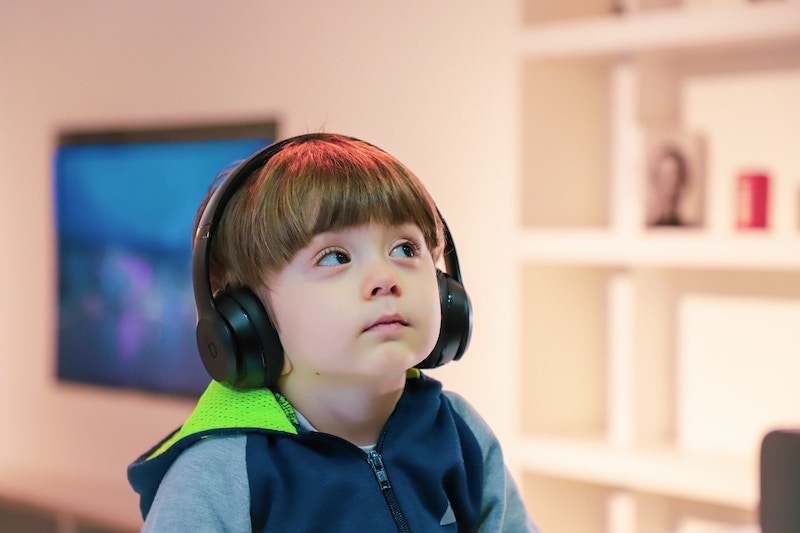 Photo by Alireza Attari
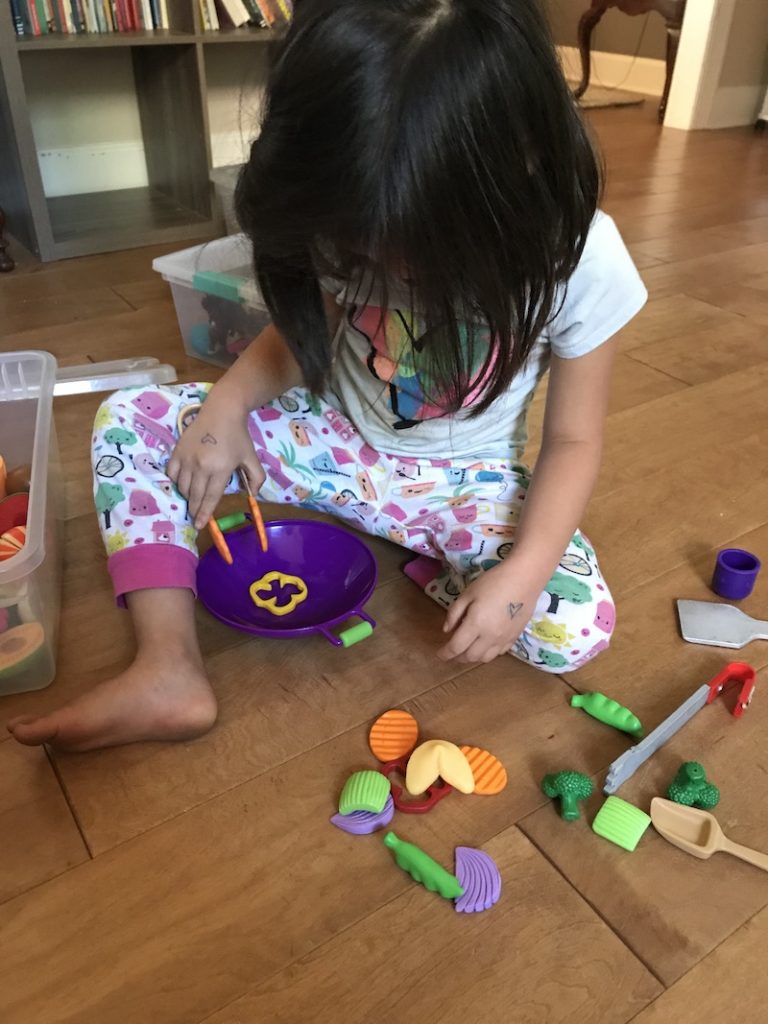 Photo: Kate Etue
Of course, parents will bring some of their child's favorite toys with them, but help them avoid bringing the whole playroom along by offering to pick up a few toys appropriate for the child's developmental age. You can save money by borrowing them from neighbors, finding them at a secondhand store, or pulling them out of your attic if you have older kids.
(But first grab those anti-bacterial wipes, haha!)
Other fun items that can be great to have on hand are coloring books and crayons, stickers, a chalkboard and chalk, a stress ball to squeeze, or play sand or play foam.
Photo: Kate Etue
Of course, parents will bring some of their child's favorite toys with them, but help them avoid bringing the whole playroom along by offering to pick up a few toys appropriate for the child's developmental age. You can save money by borrowing them from neighbors, finding them at a secondhand store, or pulling them out of your attic if you have older kids.
(But first grab those anti-bacterial wipes, haha!)
Other fun items that can be great to have on hand are coloring books and crayons, stickers, a chalkboard and chalk, a stress ball to squeeze, or play sand or play foam.
 Photo by Nathan Anderson
Related: 8 outstanding books that teach empathy for kids with special needs
Tips for hosting kids with special needs over the holidays
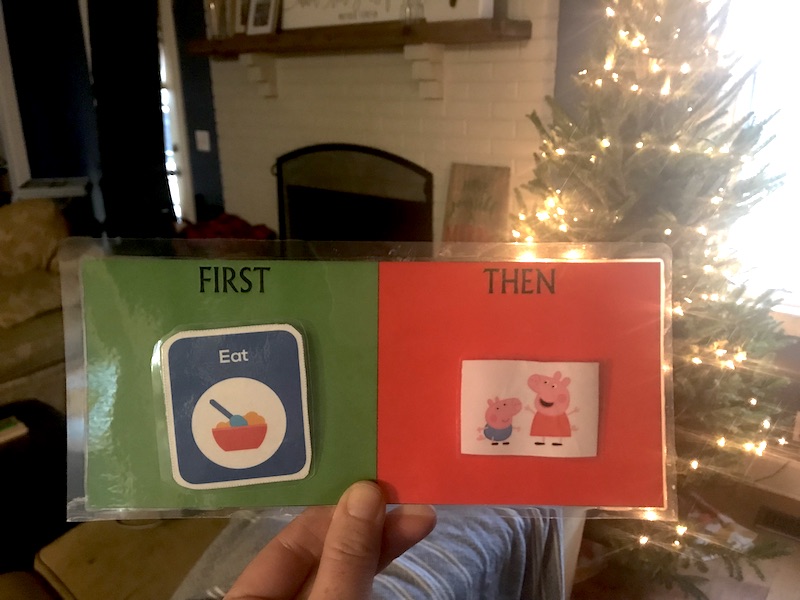
Hold traditions loosely, and avoid "fun" surprises.
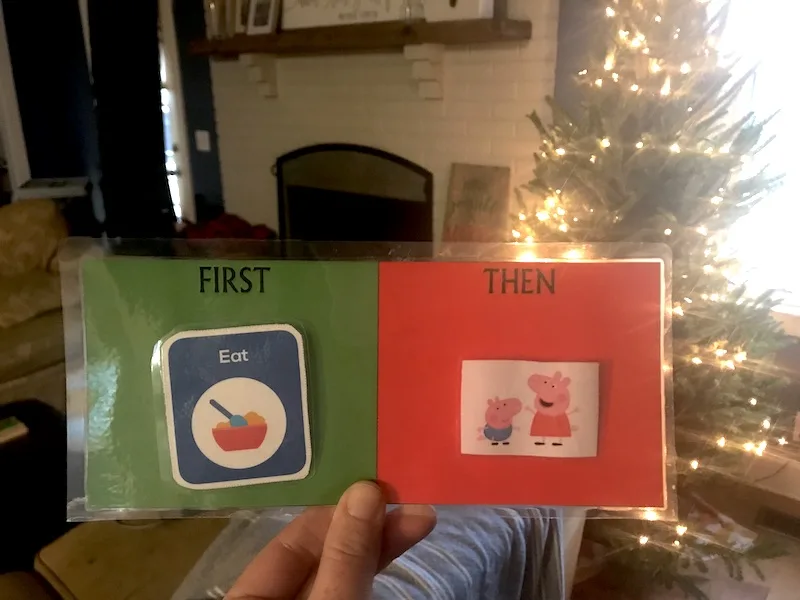
This can one of the toughest things for hosts and hostesses to adapt to, so I want to spend a little time with it. As fun as it might be to plan a big surprise activity for the kids, it can be really challenging for children with special needs (and their parents) to not be able to anticipate what's coming next. Schedules can be key for keeping meltdowns at bay. Many kids with cognitive disability rely on a visual schedule, and knowing what to expect helps their day go smoothly. So set aside time to talk about each day's activities beforehand with the parents, so they can make the best plan for their kid to have a successful day. So while you may be super excited to hold your annual cookie decorating day with the grandkids or to have the family compete in their race to finish the Christmas puzzle first. But as you make your plans, think about how they might work best for your child with special needs who's visiting. Maybe a special holiday movie while the adults do puzzles will help keep everything going smoothly. Or create a dedicated decorating station for the child, where they can be fully in charge of their own toppings -- it can go a long way to help limit arguments. Or, just be understanding if the child sits some things out. In other words, be prepared for the unexpected...and be willing to go with the flow. Even as a host or hostess. Extra special tip: If one child needs to stay behind for a bit, offer to bring the siblings in your own car, or to supervise them yourself, so they don't miss out on the fun. Sometimes, the siblings of kids with special needs are used to putting their own wants and needs on hold, and reaching out to them specifically is a huge, huge win.Designate a private space for the child.
When a child with sensory issues becomes overstimulated, that can trigger challenging behavior: A crowded room full of relatives. A blaring football game on TV. Clanging pots and pans. Even itchy or unfamiliar furniture can overwhelm a child. Have one space in your house designated to be a quick place the parents know they can always take their child to calm down privately. It can be the guest bedroom where they're staying or even a big walk-in closet with the floors cleared. Just think about having dim lights and a few objects in there that will be comforting to them, like a bean bag or soft blanket, even if they're something the family brings from home. Your guests may also need private space to take care of routine medical or other hygiene issues while they're in your home, so having a private space set aside for this is very helpful. Ask what their needs might be, and make sure the space is stocked with any extra supplies -- like baby wipes, or a special toy or lovey -- that might come in handy.Related: Big family tips, for families of any size
Ask about any food restrictions.
Fortunately, so many of us are well-versed on inquiring about guests with food allergies when we entertain. Apply this to kids with special needs as well. Kids with autism are twice as likely to have food allergies as kids without autism, so be sure to check with the parents to find out which foods to avoid on your holiday table. Label dishes that have the allergy clearly, because the last thing you want is a medical emergency in the middle of Christmas dinner. But there's more to it beyond food allergies. Ask how food plays a part in the child's routine. Are they trying to limit her sugar intake? Should they only have snacks at certain times of the day? Before you present anytime-access to a bucket full of chocolate kisses, ask the parents how they'd prefer you handle food outside of mealtime. Speaking of mealtimes, recognize that many kids with special needs have legitimate food aversions that can cause real meltdowns. Well-meaning relatives: please let the parent be the one who directs the child on what and when to eat. Pushing them to "clear their plate" or "be sure you get a green vegetable" may really backfire.
Photo by Alireza Attari
Make room for physical challenges and other impairments
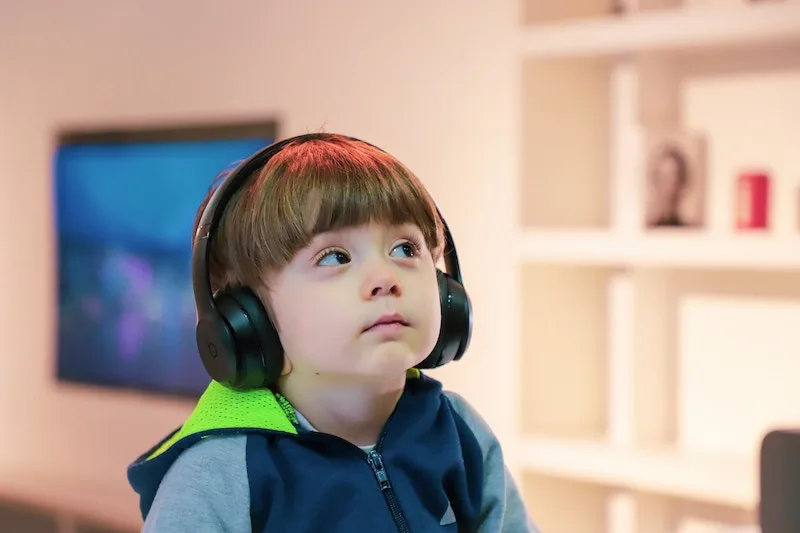
If you're hosting a child who has physical special needs, do a dry run to make sure your home is accessible. You can ask to borrow a portable wheelchair ramp via your neighborhood NextDoor. Move furniture to make sure there are spaces wide enough for crutches to get through. Pick things up off the floor that a person with a visual impairment might trip over. Basically, just try to envision your environment from the perspective of someone with other challenges. (And of course, you van ask a parent for guidance!) You can also make adjustments to your TV or tablets. Go ahead and turn the subtitles onto your cable settings, so a guest with a hearing impairment doesn't have to ask for it later. Also, know where your headphones are; for some kids, they're a huge help with iPad movies or a TV show. Any small details like this will make your guests feel more at home.Have developmentally appropriate toys available.
Photo: Kate Etue
Of course, parents will bring some of their child's favorite toys with them, but help them avoid bringing the whole playroom along by offering to pick up a few toys appropriate for the child's developmental age. You can save money by borrowing them from neighbors, finding them at a secondhand store, or pulling them out of your attic if you have older kids.
(But first grab those anti-bacterial wipes, haha!)
Other fun items that can be great to have on hand are coloring books and crayons, stickers, a chalkboard and chalk, a stress ball to squeeze, or play sand or play foam.
Photo by Nathan Anderson
Be understanding, of course.
Kids with autism, especially, can obsess over unusual things. I've heard of kids who absolutely love washers and dryers, and another who can talk all day long about Maury Povich. It's enough to make you want to giggle...but don't. These kids take their interests really seriously, and nuance can be hard for them to understand. Resist the urge to laugh, and instead prepare yourself to talk earnestly about agitators and wash cycles -- or paternity tests. You can do it, I promise.Know that you don't have to be the one to help.
I'll say it again: While you have your guests over, things may go sideways with the child with special needs. I know it can be tempting to want to step in and help a parent during a meltdown. But please remember, this parent has probably been through hours of training about their own child's behavior. They know what they're doing, even if it looks strange to you. If things get difficult, ask, "Is there anything I can do to help?" If they say no, then just do your best to give them privacy to work through their process together.Think about the parents, too
You know what's a pro move? Offering to stay home with the child with special needs, if possible, so the parents can have a brief break to enjoy the rest of the family. While this won't work in every situation, if it does, it will endear your guests to you forever. Even though we love our kids, we can have struggles and need our own quiet spaces or time-outs, too. We're only human. Above all, it's all about being caring and thoughtful. Of course, the fact that you're reading this post is evidence that you are a genuinely caring friend or relative, and that means so much to the parents of the child you're hosting for the holidays. Knowing they're loved and supported is the best gift you can give them.